Sustainable Community Development with Solar Energy

Chosen theme: Sustainable Community Development with Solar Energy. Together, we can transform neighborhoods into resilient, equitable, and inspiring places by turning rooftops and shared spaces into clean power sources that spark opportunity, pride, and long-term climate readiness.

Why Solar-Powered Communities Thrive

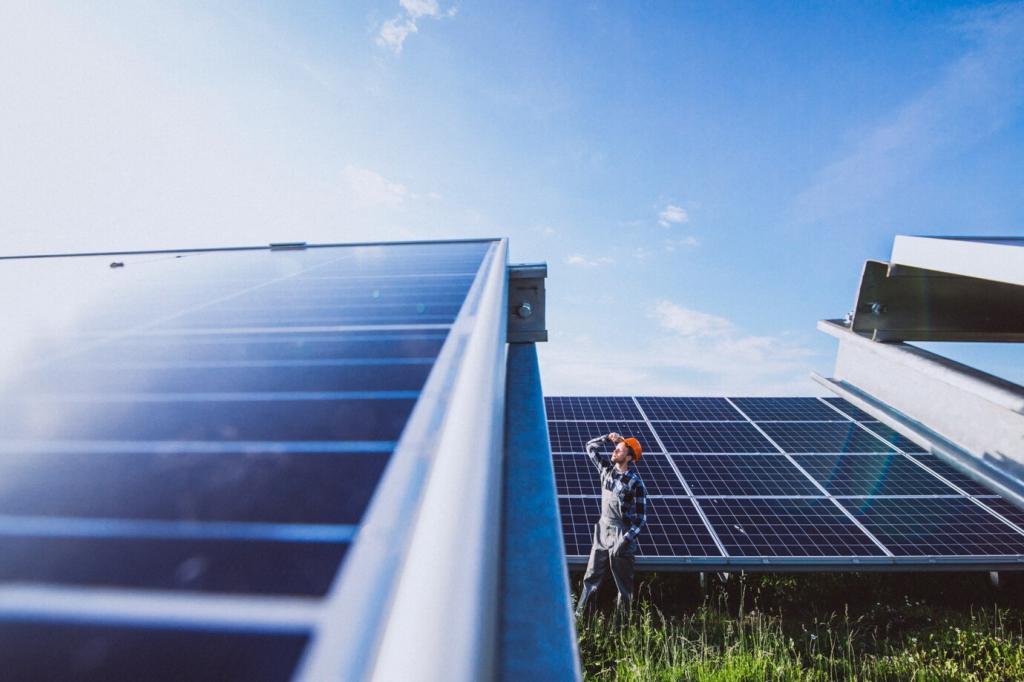
When a neighborhood produces its own electricity, outages are shorter, bills are steadier, and dollars circulate locally. People notice brighter sidewalks, cooler homes, and the quiet satisfaction of seeing panels shine above community gardens and schools.

Why Solar-Powered Communities Thrive

Equitable solar means renters, seniors, and low-income families benefit first, not last. Community ownership models, inclusive rate structures, and accessible signups can ensure clean power isn’t a luxury, but a shared foundation for everyone.

Publish meeting notes, budgets, and decisions in plain language. Rotate facilitation roles, set clear conflict-of-interest policies, and invite youth and elders alike. Trust grows when sunlight reaches the process, not just the panels.

Designing a Community Solar Program That Includes Everyone

Choosing between rooftop, ground-mount, and carport arrays

Rooftops preserve land, carports create shade, and ground-mount systems can revitalize underused lots. Blend options based on structure, zoning, and aesthetics so the final portfolio balances performance, beauty, and neighborhood character.

Battery storage that keeps essentials running on cloudy days

Add batteries to protect fridges, medical devices, Wi‑Fi, and critical lights when the grid falters. Smart controls prioritize essential loads, turning a sunny afternoon into security during storms, heatwaves, or unexpected disruptions.

Smart meters, open data, and transparent dashboards

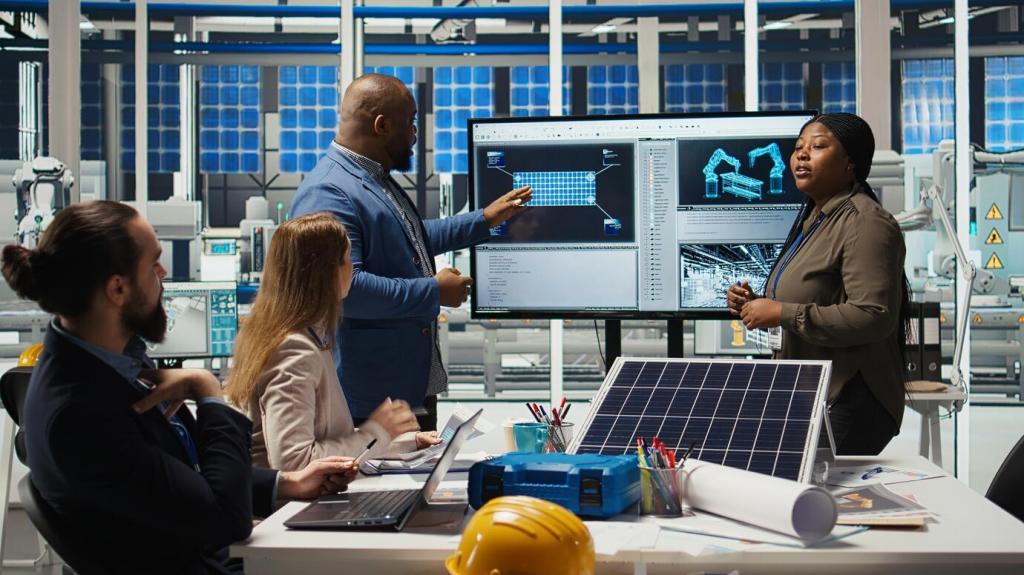
Share generation and savings through simple dashboards on phones and library kiosks. Clear, honest data builds excitement and accountability, helping volunteers recruit neighbors and adjust operations without guesswork or confusing jargon.

People, Culture, and Education

Solar ambassadors turn curiosity into participation

Train trusted neighbors to answer common questions about costs, shade, and warranties. Ambassadors knock on doors, host porch chats, and translate technical terms into real-life benefits that help families say yes confidently.

Youth apprenticeships and green career pathways

Partner with local schools and unions to offer internships on installation, safety, and maintenance. The day a student tightens their first bolt, the project shifts from abstract promise to a pathway toward steady, meaningful work.

Inclusive outreach in multiple languages and formats

Hold meetings at accessible times with childcare, food, and interpreters. Share flyers, voice notes, and short videos. When everyone can understand and be heard, enrollment rises and enthusiasm spreads household by household.

Policy, Partnerships, and the Power of Collaboration

Climate action plans and streamlined permitting reduce friction and signal seriousness. When councils back community solar goals, agencies align, grants become reachable, and residents sense a green light to get involved now.

Policy, Partnerships, and the Power of Collaboration

Invite utility engineers early and negotiate fair interconnection timelines. Set regular check-ins, document decisions, and keep community representatives present so reliability goals and local benefits truly move forward together.

Policy, Partnerships, and the Power of Collaboration

Mission-driven partners handle administration, training, and maintenance through transitions. Their continuity protects community intent long after ribbon cuttings, ensuring savings, jobs, and education remain at the center of the work.

Policy, Partnerships, and the Power of Collaboration

Lorem ipsum dolor sit amet, consectetur adipiscing elit. Ut elit tellus, luctus nec ullamcorper mattis, pulvinar dapibus leo.

Measuring Impact and Telling Our Story

01
Report bill savings, avoided outages, carbon reductions, and workforce hours from local hires. Measure participation rates among renters and seniors to prove this project is truly designed for everyone, not just early adopters.
02
Maria, a retired electrician, mentored teens during weekend installs. Months later, those students helped her replace a failing breaker. Their gratitude was palpable, and her porch became a gathering spot for new signups.
03
Publish anonymized production and savings data quarterly. Invite questions and suggestions, then implement one improvement each cycle. Continuous feedback turns a good project into a learning community that continually gets better.

Resilience, Microgrids, and Preparedness

Design critical facilities to run independently during outages. Maintain batteries, test switches, and simulate emergencies so neighbors trust the system when the lights flicker and seconds genuinely matter for safety and health.

Get Involved: Map, Meet, and Subscribe

Gather neighbors, print a simple map, and mark potential roofs, parking lots, and shade obstacles. Snap photos, log contacts, and share findings with us so we can refine priorities together and schedule a follow-up walk.

Get Involved: Map, Meet, and Subscribe

Reserve a library room or backyard, share snacks, and discuss benefits, costs, and timelines openly. Ask attendees to invite someone different from themselves, widening the circle of trust, experience, and shared ownership.
Novacomfy
Privacy Overview

This website uses cookies so that we can provide you with the best user experience possible. Cookie information is stored in your browser and performs functions such as recognising you when you return to our website and helping our team to understand which sections of the website you find most interesting and useful.